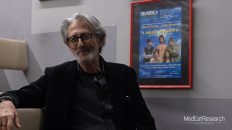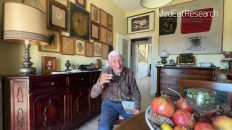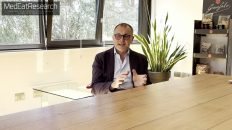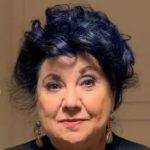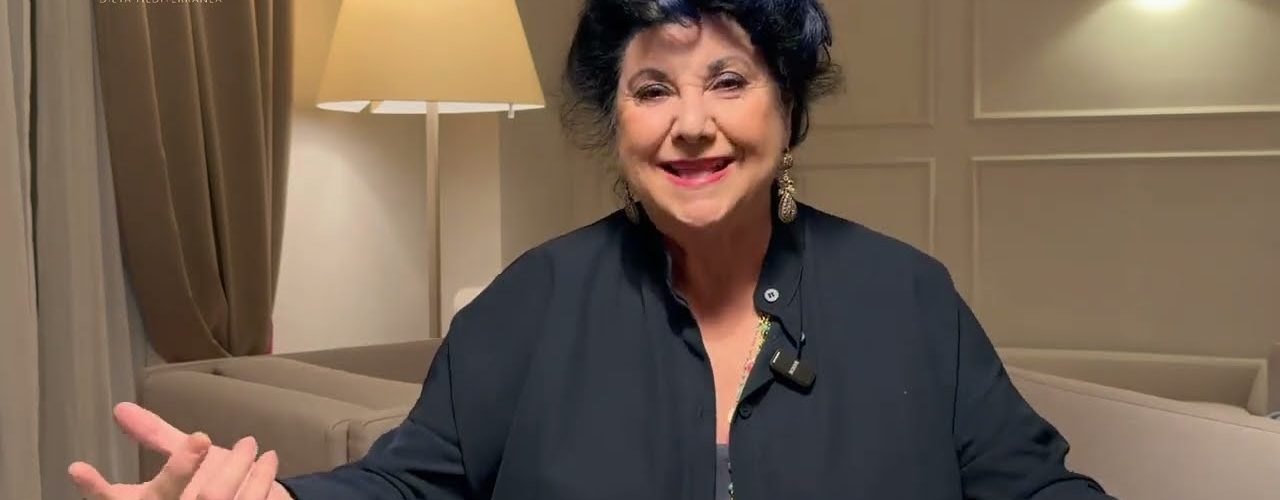
Marisa Laurito, actress, singer, and director of the Teatro Trianon Viviani in Naples at the time of the interview (31 December 2025), is one of the most passionate voices of contemporary Neapolitan culture. In the interview, food emerges as a relational language, a practice of care, and a vehicle for cultural transmission. The thread running through it all is a phrase Laurito delivers with conviction: “the kitchen cannot lie” — invoking Laura Esquivel’s novel Like water for chocolate — because food carries the energy of whoever prepares it, their love or indifference, their joy or their suffering.
Having grown up in a Neapolitan family of modest means, Marisa Laurito recalls a daily table of pasta and legumes, pasta and vegetables, and oily fish: unwittingly, a Mediterranean diet before the term existed — the very diet that Ancel Keys would “discover” and bring to the attention of the scientific world between the 1950s and 1960s. The cooking of her childhood was also women’s cooking: the women of the family would gather around the stove, share stories of love and hardship, and at Easter prepare forty pastiere to give away, receiving just as many in return, debating endlessly over whether Aunt Antonietta’s or Aunt Gilda’s was the better one.
At thirteen, punished by her grandmother for throwing away bread, she was sent to spend fifteen days with farmers in the countryside: a practical initiation into the culture of zero waste that has permanently shaped her relationship with food. From that pedagogy of scarcity grew a cuisine of creativity: broccoli stalks become velvety soups or pasta sauces, cauliflower offcuts dress spaghetti, friarielli trimmings go into orecchiette. Her book Avanzi Tutta systematises this philosophy: a classic recipe followed by three or four possible ways to repurpose the leftovers. The testimony offers rich insights into the relationship between identity and food. Marisa Laurito passionately defends Neapolitan and Italian cuisine against French cooking — which “muddles everything with sauces upon sauces” — celebrates the very recent inscription of Italian cuisine as UNESCO heritage, and reflects on the cuisines of the Mediterranean as a shared universe of aromas and raw ingredients: from pasta to Greek pita, from couscous to the scents of the Mediterranean scrubland. The project she is currently working on — exploring the cuisines of the South — takes shape as an ethnographic journey across the Mediterranean, navigated through aromas, ingredients, and culinary gestures. The interview closes with an almost pharmacological reflection on the foods of happiness: pasta in the evening, tuna with its richness in serotonin, citrus fruits, basil. For her, food is never merely sustenance: it is millennia of culture passed down through generations, it is time given as a gift to those one loves, it is the living heart of the home around which generations meet and tell their stories.
Interview by: Elisabetta Moro
Video by: Elisabetta Moro
Video Editing by: Mariangela Bianco
Document by: Mariangela Bianco
Subtitle ita/eng by: Mariangela Bianco
Translation by: Mariangela Bianco
MedEatResarch – Center of Social Research on the Mediterranean Diet of the University of Naples Suor Orsola Benincasa, head by Marino Niola and Elisabetta Moro
Realized: 31/12/2025