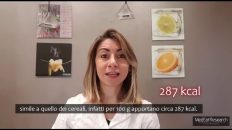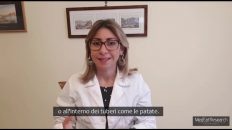
Paola Meo is a nutrition biologist specializing in clinical pathology and a science communicator. For years, she has worked as a nutritionist in private healthcare facilities, closely collaborating with medical specialists. She prescribes personalized dietary regimens based on a balanced diet, without the use of medications or meal replacements. Her work involves correcting her patients’ poor eating habits and educating them on maintaining a healthy and proper lifestyle.
In this interview, she discusses the positive effects of the Mediterranean Diet on health, particularly emphasizing the prevalence of plant-based foods in this nutritional model. Key components include legumes, whole grains, fruits and vegetables, nuts, and extra virgin olive oil, along with the moderate consumption of animal proteins—favoring fish over meat and limiting processed foods.
From a nutritional perspective, she highlights the importance of dietary fiber found in plant-based foods for preventing chronic conditions such as diabetes, hypertension, and obesity. She also underscores the value of essential molecules like antioxidants, polyphenols, and carotenoids, which combat aging and inflammation.
Meo also emphasizes the Mediterranean lifestyle’s holistic aspects, including physical activity, attention to conviviality, seasonality, respect for local traditions, and biodiversity. This cultural and environmental diversity allows for recipe variations using high-quality ingredients closely tied to specific regions, such as Piedmont hazelnuts, Avola almonds, Castelluccio lentils from Umbria, Bronte pistachios, and San Marzano tomatoes. Dishes like Ligurian pesto trofie and barley and lentil soup epitomize the perfect nutritional balance of the Mediterranean Diet. However, the foundational pillars of this dietary model remain extra virgin olive oil and cereals.
Extra virgin olive oil, rich in antioxidants, polyphenols, vitamin E, and oleic acid, promotes the health of the heart, arteries, intestines, and liver. It also enhances the absorption of powerful antioxidants like vitamin D and lycopene from tomatoes. It can even be used for frying, provided it is cold-pressed and consumption is limited to no more than two tablespoons per meal.
Cereals should account for 55% of our daily energy intake but must be varied – not just wheat but also oats, barley, spelt, rice, quinoa, millet, and buckwheat. Ideally, they should be consumed as whole grains, even in pearled versions, rather than as flours.
Due to its diverse ingredients and natural focus, the Mediterranean Diet could serve as a virtuous and sustainable global nutritional model. It has the potential to guide the planet’s dietary transition by envisioning a “planeterranean diet,” with tailored food pyramids for every region. For instance, traditional Mediterranean ingredients could be substituted with nutritionally equivalent foods: European wheat with teff and cassava in Africa, quinoa in South America, kamut in Canada, rice in Asia, rye in Northern Europe, and avocado replacing olive oil for its monounsaturated fats.
Interiew by: Helga Sanità
Video by: Danilo Pavone – CNR ISPC, Napoli
Video Editing by: Danilo Pavone – CNR ISPC, Napoli
Document by: Helga Sanità
Subtitle ita/eng by:
Translation by:
MedEatResarch – Center of Social Research on the Mediterranean Diet of the University of Naples Suor Orsola Benincasa, head by Marino Niola and Elisabetta Moro
Realized: 4 ottobre 2024