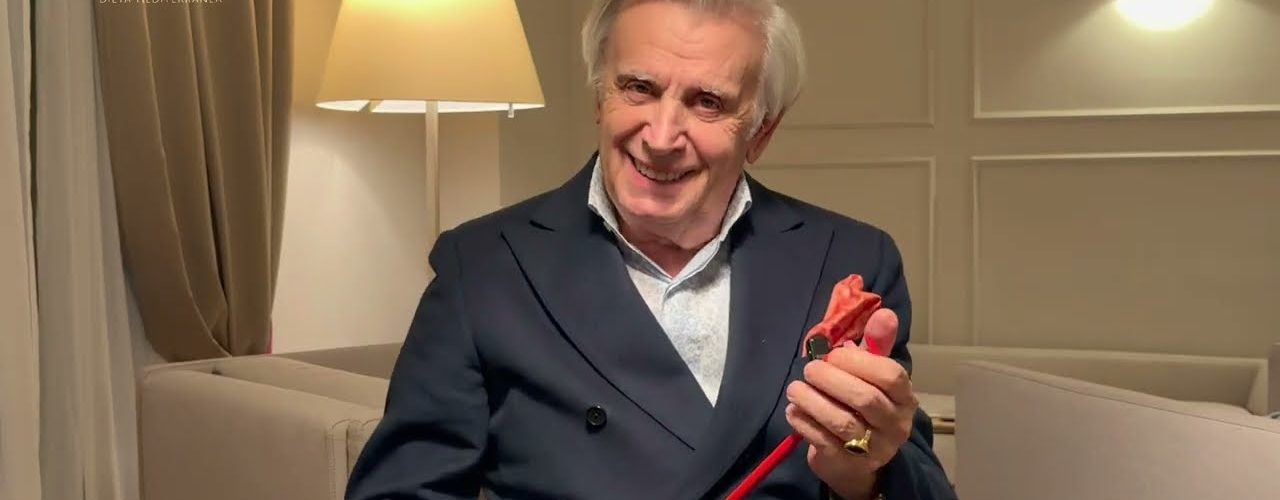
Piero Pedrini, entrepreneur and kitchen utensil designer from Brescia, is the creator of the Servispaghetti Lillo, one of the most iconic objects of the material culture surrounding pasta in the second half of the twentieth century. Manufactured between 1975 and 1976 from a high-heat-resistant plastic originally developed for NASA and capable of withstanding temperatures of up to 200°C, the Lillo was born from the practical need to find an alternative to the fork for lifting and serving spaghetti, evolving over time into a small oval-shaped object with prongs — functional not only for pasta, but also for olives, hard-boiled eggs, and much else besides. The name itself, chosen for its immediate phonetic memorability, became the brand for an entire line of everyday kitchen utensils — “things for every day” — including potato peelers, corkscrews, a self-cleaning garlic press, ladles, and more, all designed for the mass market and sold in supermarkets at accessible prices. Pedrini’s narrative weaves together industrial history and the history of taste, revealing the cultural tensions that every material innovation brings with it: the people of Naples, guardians of a gestural and identity-laden tradition of eating spaghetti with a fork, initially greeted the Lillo with suspicion — “it’s for scratching dogs,” the most polite of his Neapolitan critics told him. Only a photographic packaging that visually multiplied the object’s uses, followed by the explosive reach of television advertising on Mediaset (1984–85), would persuade even the most sceptical.
The testimony is enriched by comparative reflections on the relationship between cultures and kitchen utensils on a global scale: Americans initially found the colour and style of Italian utensils baffling and superfluous, Northern Europeans shuddered at the sight of a pink corkscrew, and the French remained loyal to their own “silver” instruments. Pedrini’s account — he founded a subsidiary in the United States and distributed his products throughout the world — thus opens a precious window onto the global circulation of objects and the negotiation between local identities and international markets. A paradoxical thread runs through the entire interview: the inventor of cooking objects confesses that he is no gourmet, that he cannot even remember what he ate for lunch, and yet he transformed the way millions of people around the world approach pasta. Beside him, his companion Marisa Laurito — a Neapolitan actress who still uses a fork to plate food and a knife to peel potatoes, but who has learned to make Brescian polenta — embodies the living synthesis of two food cultures meeting in everyday life. The Servispaghetti Lillo is not simply a tool for the Mediterranean table: it is a witness-object carrying stories of migration, cultural resistance, technological innovation, and love — between a Northern industrialist and the city of Naples, between the gestural tradition of the South and the future of Italian eating in the world.
Interview by: Elisabetta Moro
Video by: Elisabetta Moro
Video Editing by: Mariangela Bianco
Document by: Mariangela Bianco
Subtitle ita/eng by: Mariangela Bianco
Translation by: Mariangela Bianco
MedEatResarch – Center of Social Research on the Mediterranean Diet of the University of Naples Suor Orsola Benincasa, head by Marino Niola and Elisabetta Moro
Realized: 31/12/2025