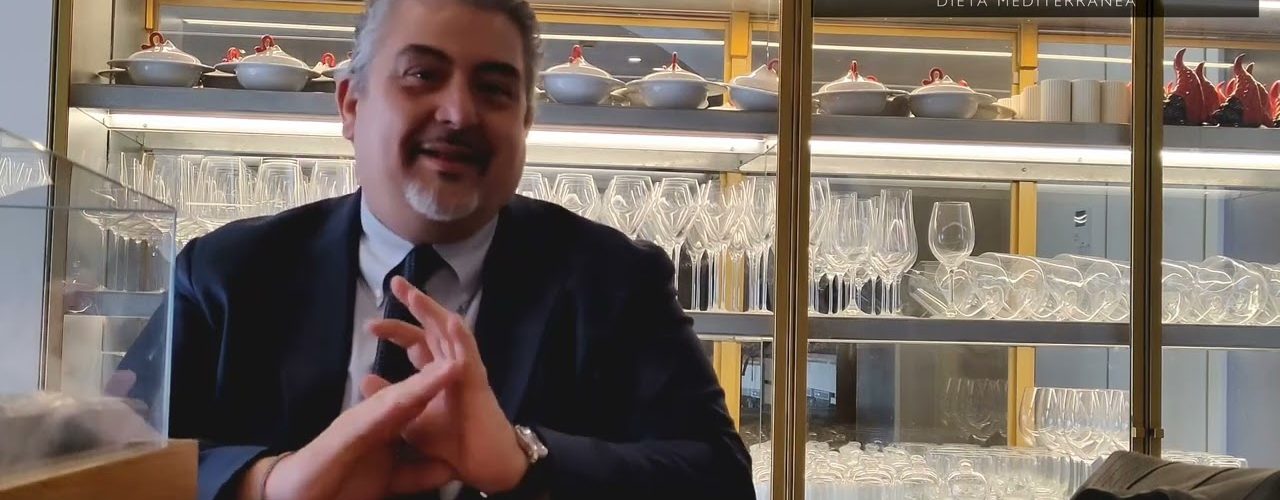
The Di Martino pasta factory, which has been involved in the production of “Pasta di Gragnano” for over a century, has its roots at the beginning of the last century, precisely in 1912, when Giuseppe Di Martino purchased the pasta factory where he had worked since he was a child. That of the Di Martino pasta factory is, in fact, a history characterized by traditions and family ties, which have led over time, passing from generation to generation, to enhance and spread throughout the world a product such as “Pasta di Gragnano PGI”, which in its simplicity and traditionality encompasses the culture and excellence of “MADE IN ITALY”. Pasta, in fact, is among the first representative emblems of Italy in the rest of the world, but the process that led to this conception, as told by Giuseppe Di Martino, 3rd generation and current manager of the family business, was long and complex. Just think that “Pastificio Di Martino” not only has a strong traditional characterization, but also represents a strong and clear historical expression, as it has maintained its activity for over a century, fully experiencing 2
world conflicts, a periods characterized by abuses, raids, and many difficulties. All this, combined with values such as commitment, dedication and resourcefulness, has led to the birth of over 260 different pasta shapes, each with its own history, its own characteristics and its own gastronomic application. In fact,among the main objectives of the company, reports Giuseppe Di Martino, there are, in addition to the valorisation of the product itself, also the protection and valorisation of the environment and biodiversity, and the “dissemination and valorisation of culture and the traditions gastronomic”. Through the activity and concept of the “Sea Front Pasta Bar”, one has the possibility of rediscovering the historical-cultural importance of a product such as pasta, and thanks to the experience of the “Pasta Genius” and the professionalism of the chefs present, it is possible to carry out a gastronomic training/tasting course, as well as sharing a “moment of conviviality” typical of the “Mediterranean
Diet” and of the “Neapolitan gastronomic culture”.
Interiew by: Rossella Galletti
Video by: Rossella Galletti, Mariangela Bianco, Marco Bottigliero
Video Editing by: Antonio Puzzi
Document by: Monica Cirillo
Subtitle ita/eng by: Marco Bottigliero, Francesca Magnani
Translation by: Monica Cirillo, Francesca Magnani
MedEatResarch – Center of Social Research on the Mediterranean Diet of the University of Naples Suor Orsola Benincasa, head by Marino Niola and Elisabetta Moro
Realized: 11/2022